The Builder and the Believer
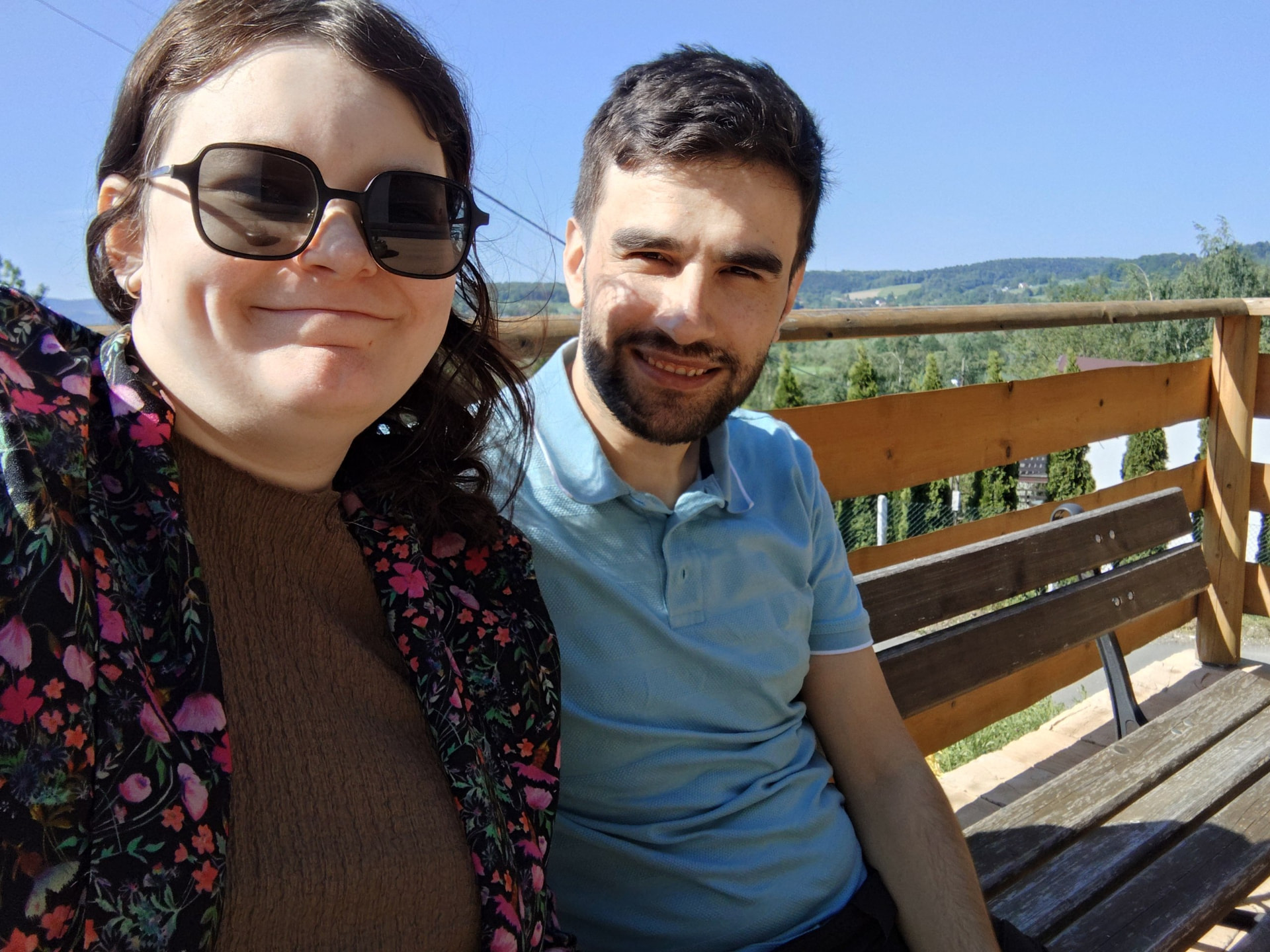
by Shahin & Anastasia
Shahin builds things for a living, and he means that literally — Python is not a job he fell into, it's the thing he was enthusiastic about long before it paid the bills. Somewhere along the way the hobby and the profession merged, which is either very lucky or very Shahin, depending on who you ask. These days Claude is part of his toolkit too, though — full honesty — that part isn't romantic. It's a workplace requirement. He opens it the way he opens any other tool: because the job asks for it.
Anastasia's relationship with AI is messier, and she'd be the first to say so.
She's studying the field while holding two contradictory things in her hands at once. On one side: a real, sober awareness of what can go wrong. Misuse, manipulation, the ways these systems can be pointed at people rather than for them — she doesn't wave that away, and she doesn't think anyone should. On the other side: a running list of grievances with the loudest critics of AI, the ones who've decided that anyone who uses these tools must be lazy, or dull, or incapable of an original thought of their own. She thinks that's lazy too, in its own way — a story that's easier to tell than a real argument. But her own criticism is more specific. She is not impressed by AI-generated art, and she finds the idea of AI copies of real people — their faces, their voices — genuinely creepy. She is equally wary of the AI strategist crowd who talk about replacing humans in corporate settings, and the doomerists who treat the whole field as an apocalypse in waiting. Both, to her, miss the middle: that working with an LLM is often a lot of work. It overthinks, it hallucinates, it needs guidance like a bright but scattered child. Using it is not lazy exactly. It is just a different kind of labor — one she does not think should be waved away, and one she does not think should be waved through without judgment.
So she holds her own criticisms, ones she's actually worked for, and she also holds something softer and older: a private sense that these systems are cousins to the robots she imagined as a kid — clumsy, early versions of the sci-fi companions she used to write about and daydream over. Not a threat and not a savior. Just the first draft of something she's been curious about her whole life.
What that looks like in practice, day to day:
Claude she turns to on its own — for thinking things through, for writing, for the kind of back-and-forth that isn't automated.
Hermes, her own homegrown system built on free, openly available models, is a separate creature — but for the digests, the two team up. Every morning Hermes, with Claude behind it, puts together the day's brief: headlines, a pregnancy countdown ticking toward September, small useful things — so she never has to open a social media app first thing and doomscroll her way into the day. The same pairing writes the family's inner letters, the ones that go out just to the people who need to hear from home. She thinks of it less as an app and more as a butler that already knows what she takes with her coffee.
Manus has a narrower, quieter job: it summarizes the YouTube essays she doesn't have time to sit through in full, and those summaries go straight into a growing self-education library — the kind of thing she'll thank herself for later.
None of this makes the contradiction go away, and she's stopped expecting it to. She uses the tools. She questions the tools. She still, some mornings, looks at the whole strange field the way she looked at robots when she was small — with more curiosity than fear.
✦ keep reading ✦
You might also like
 ✦ tech & ai
✦ april 28, 2026
Technology, AI, and Everyday Learning
Shahin builds software; Anastasia explores AI. Here we share the tools, projects and small discoveries that shape our days.
read the post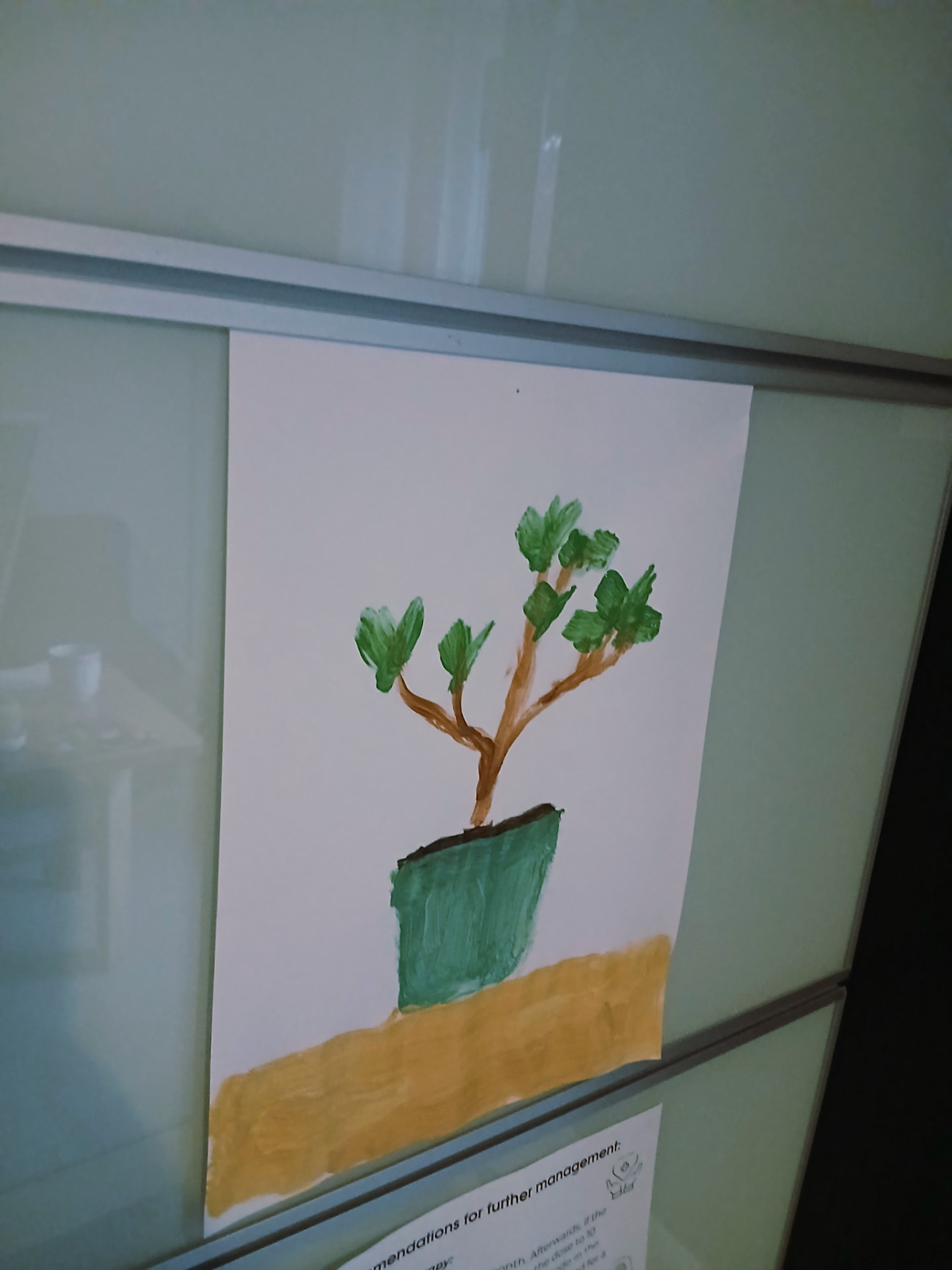 ✦ family life
✦ august 18, 2026
Read From China — Thank You!
A small passion project, now reaching farther than we imagined. Plus: a peek at some old drawings.
read the post